

Current Trainees
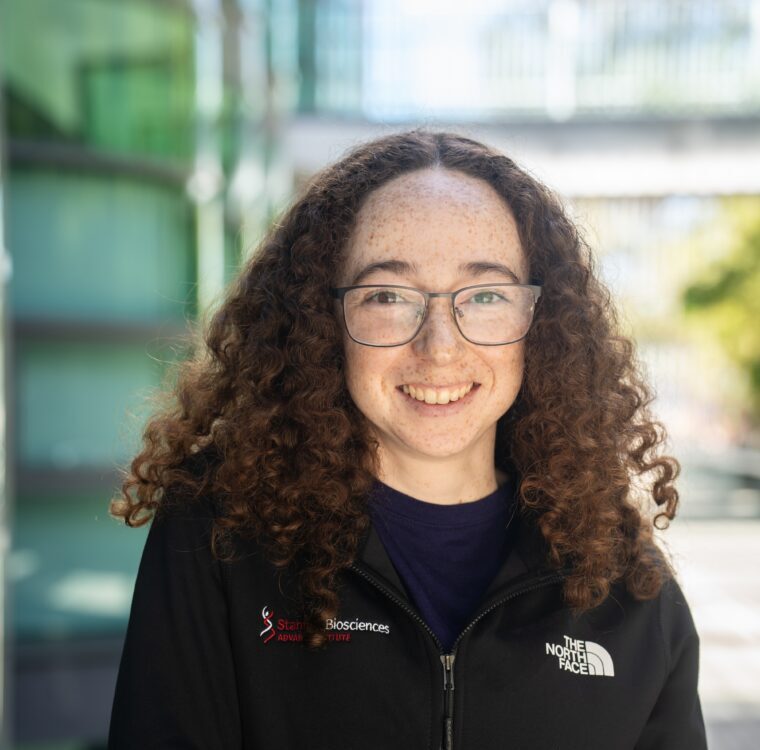
Vali Engles
Department of Biochemistry | Straight Lab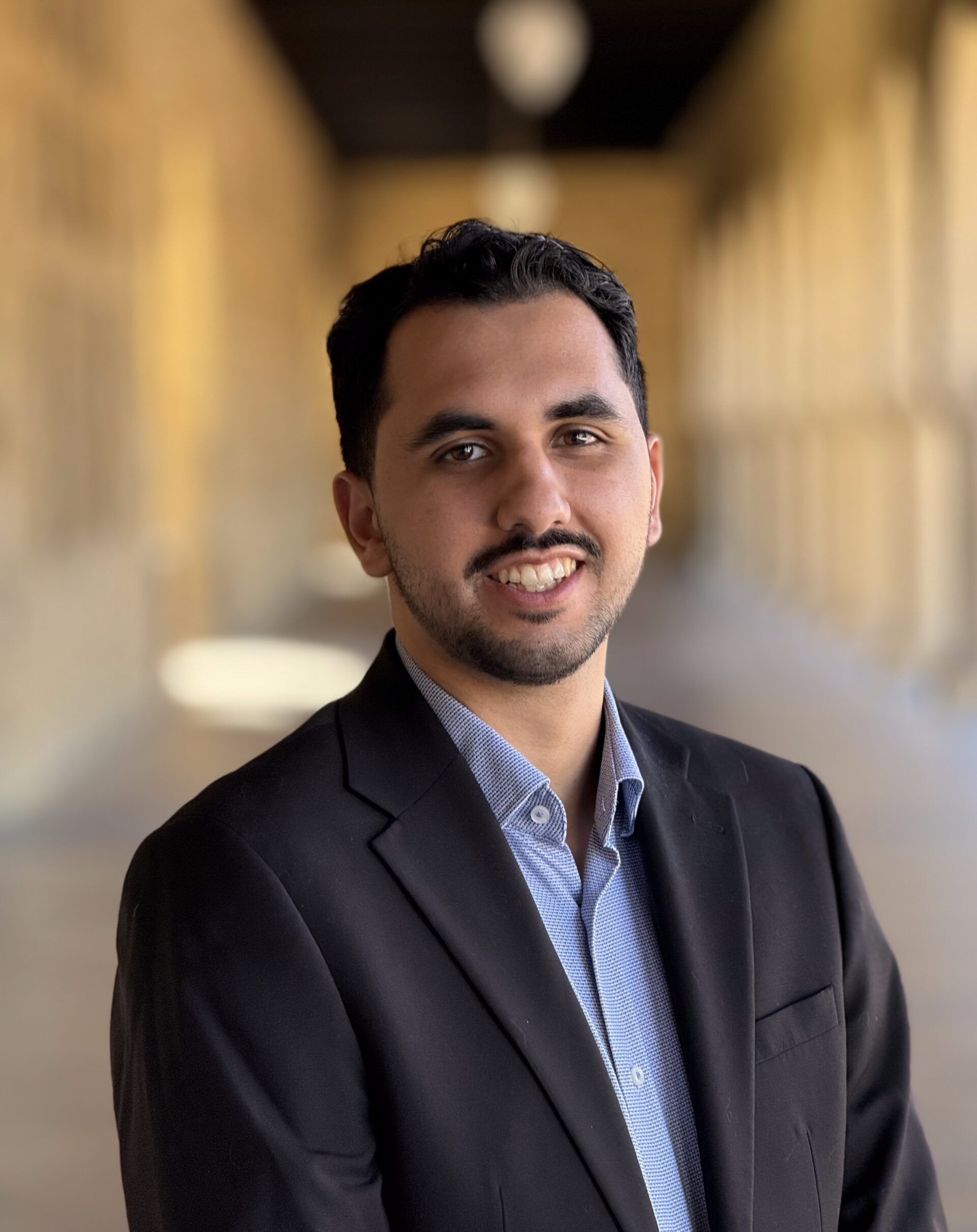
Ibrahim Maaz
Department of Biohemistry | Abu-Remaileh LabAs a member of the Abu-Remaileh laboratory, I study lysosomal metabolism and its disruption in neurodegeneration, with a particular emphasis on bis(monoacylglycero)phosphate (BMP), an anionic glycerophospholipid enriched in late endosomes and lysosomes that regulates intralysosomal vesicle formation, lipid degradation, cargo trafficking, and signal transduction. Dysregulation of BMP contributes to multiple lysosomal and neurodegenerative diseases. BMP accumulates in Niemann-Pick Type C1 due to impaired cholesterol transport, facilitating cholesterol export from lysosomes. In contrast, BMP is depleted in Batten disease, leading to lipid accumulation and neurodegeneration. Our lab has identified the BMP synthase CLN5 and the hydrolase PLA2G15, and I am building on this knowledge by structurally characterizing CLN5, fully mapping the BMP sythesis pathway, and working with the lab to develop novel regulators of BMP by designing modulators of PLA2G15 and CLN5. These studies will provide mechanistic insight into lysosomal lipid regulation and may reveal therapeutic avenues for neurodegenerative diseases. This has great potential in deseases such as frontotemporal dementia in which BMP restoration may improve glycosphingolipid clearance and lysosomal function which could in turn slow neuronal loss and disease progression.
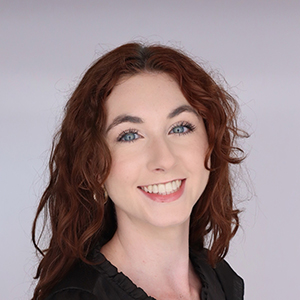
Adrianne Kinsey
Department of Chemistry | Chen LabIn the Chen lab, we are developing selective and potent inhibitors of the aldehyde dehydrogenase (ALDH) enzyme family, which consists of 19 isoforms. Many ALDH isoforms are upregulated in various cancer types, often associated with stem-like cancer cell populations. Our work has primarily focused on ALDH1B1, investigating its role in colorectal and pancreatic cancers. Recently, we identified ALDH1B1 as essential for colorectal cancer survival, highlighting its potential as a drug target. Building on this foundation, my project will focus on designing small-molecule modulators of another isoform, ALDH1A3, which has been implicated in glioblastoma, triple-negative breast cancer, melanoma, and more. A new potent inhibitor of ALDH1A3 could not only be a basis for new anti-cancer therapeutics but will also enable mechanistic studies to better understand its role in cancer cell proliferation.

Gerardo Vargas
Department of Chemical and Systems Biology | Pleiner Lab
Alyssa Carter
Department of Microbiology and Immunology | Bogyo LabThe Bogyo Lab is interested in using chemical probes to identify important enzymatic targets in pathogenic processes. We recently synthesized a group of oxadiazolone-based probes that inhibit growth of C. difficile, the number one cause of antibiotic-associated diarrheal disease. Chemoproteomic analysis with the covalent oxadiazolone-probe reveals that -ketoacyl-ACP synthase III (FabH), the enzyme that catalyzes the first step in the bacterial fatty acid synthesis pathway, is enriched by these probes. I am using these probes to characterize the role of FabH in C. difficile growth, sporulation, and germination. These studies will also guide the development of novel inhibitors that may interrupt the cycle of C. difficile infection recurrence that plagues the healthcare system.

Caroline Scheuing
Department of Molecular and Cellular Physiology | Pleiner LabMy Ph.D. project aims to elucidate the molecular mechanisms of membrane protein complex assembly and quality control at the human ER membrane. I will use interdisciplinary approaches, ranging from genetics to in vitro biochemistry, to 1) uncover novel ER assembly and quality control factors that control ion channel cell surface expression and 2) characterize their mechanism of action. Factors identified through this research will present new therapeutic targets for manipulating ion channel expression levels in various cardiac and neurological disorders.
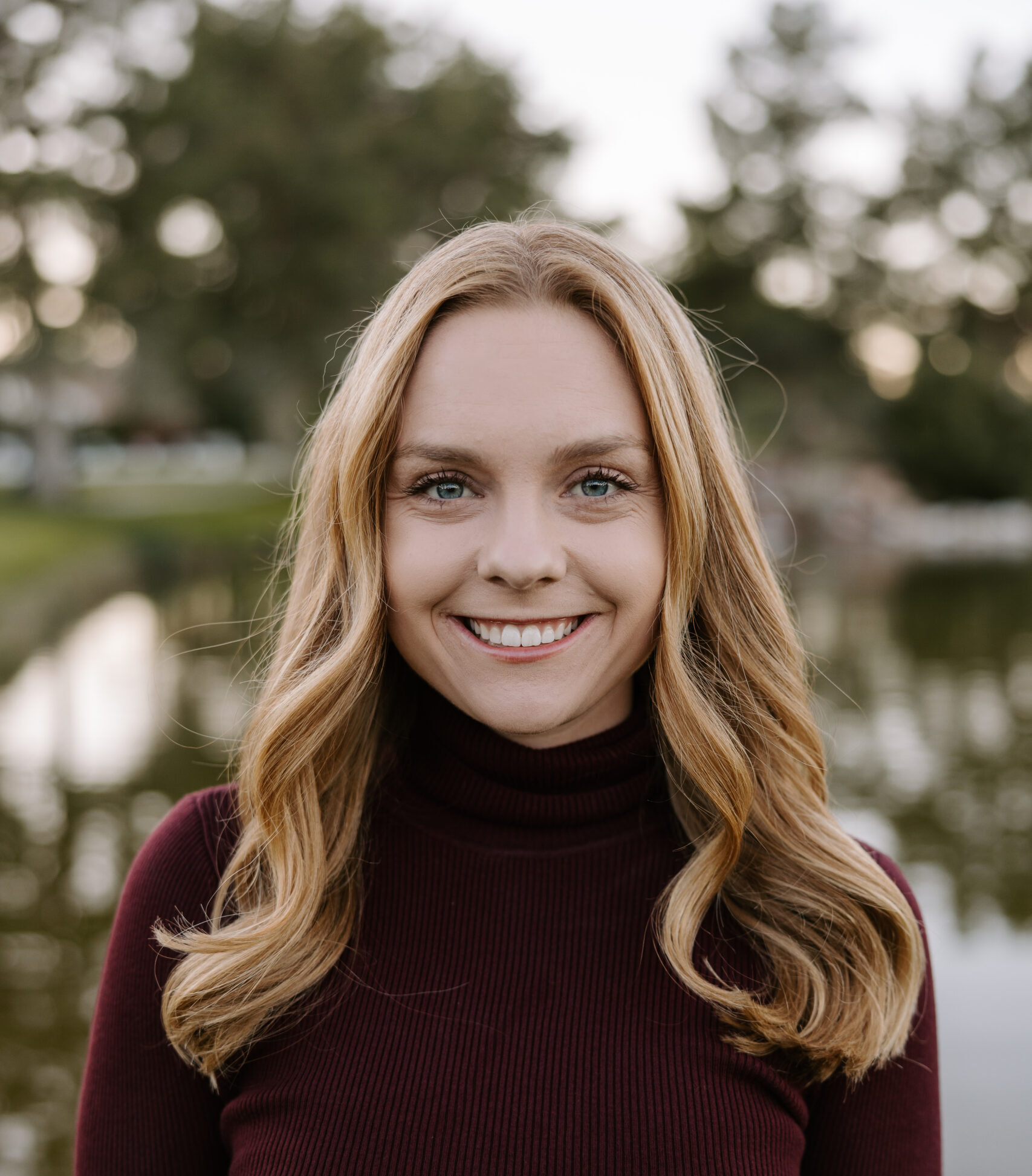
Georgia Grace Tully
Department of Chemistry | Greenleaf LabIn the Greenleaf Lab, I am focused on leveraging data from a high-dimensional DNA aptamer array to develop cross-reactive sensors that can predict steroid composition in unknown solutions. If successful, these high-affinity DNA aptamers have the potential to be integrated into diagnostic devices, enabling real-time monitoring of metabolites. In the future I plan to use the array to study the effects of small molecule compounds on estrogen receptor binding to their known DNA-binding domains.

Remi Dado
Department of Chemistry | Dionne LabMy research interests center on the application of spintronic and magneto-optical platforms for enantioselective synthesis. Given the frequent disparity in safety and efficacy between enantiomers, considerable commercial and academic resources are dedicated to asymmetric synthesis or racemic separation techniques. The associated cost and difficulty of these methods result in decreased availability and high prices for enantiomerically pure pharmaceuticals and biomolecules. To this end, spin-polarized electrons have emerged as potentially powerful symmetry-breaking agents in radical-mediated electrochemical and photochemical reactions. However, the broad application of electron spin as a chiral reagent is currently limited by insufficient spin polarization and injection. My work focuses on biasing radical-mediated photochemical reactions by developing dielectric metasurface platforms capable of enhancing spintronic and light-matter interactions for increased spin polarization, injection, and coherence.